
 Trip from 1 to 5 November 2026 / From 2,000€
 Discover the highlights of this extension to Wamena
Wamena and the Baliem Valley market
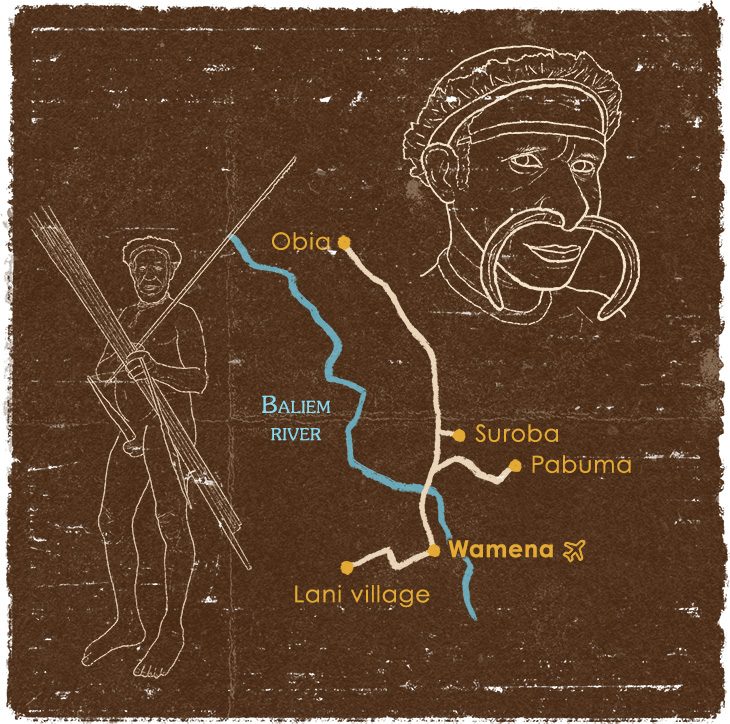
The extension to Wamena will begin with a visit to the city of Wamena, the main urban centre of the Baliem Valley. We will walk through its local market to observe the lively trading activity that connects different communities of the Highlands. In addition, we will learn about the production process of juice made from the region’s famous red fruit, a product highly valued in local culture. This first encounter introduces the traveller to the social and economic dynamics that characterise this remote region of West Papua.
Obia village and the Dani pig festival
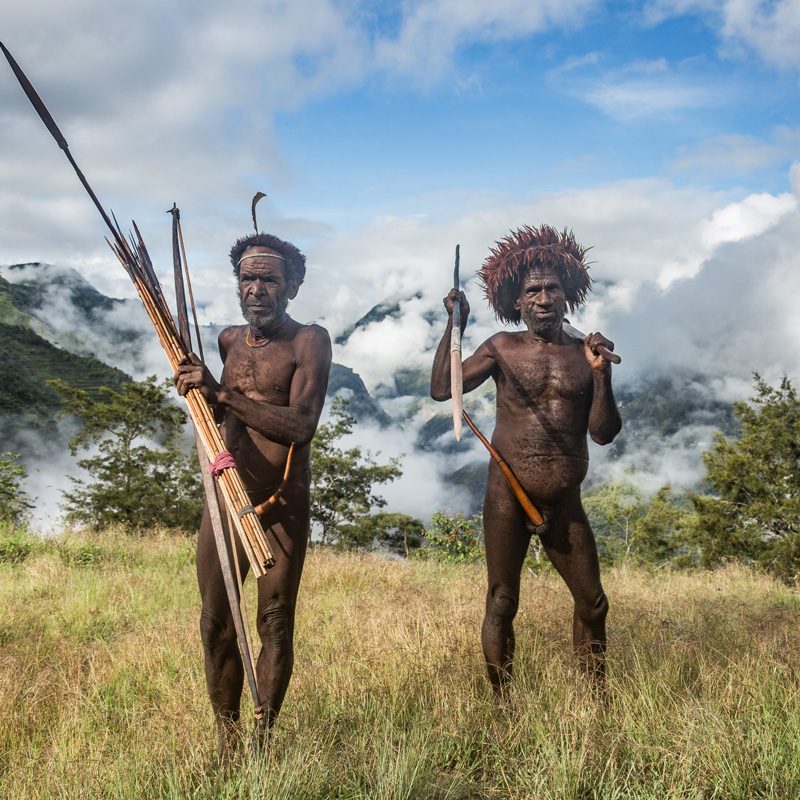
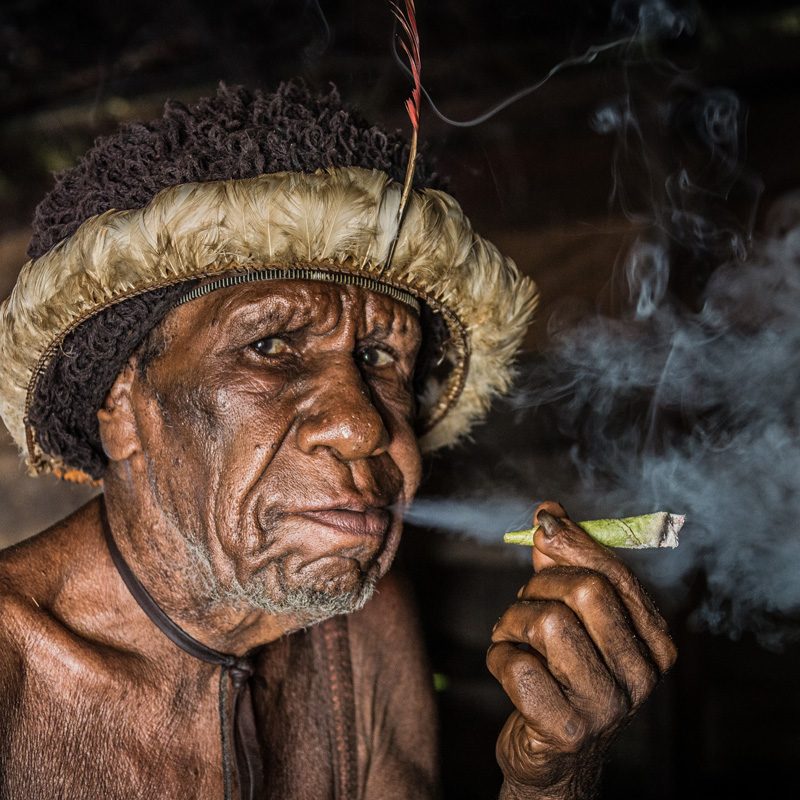
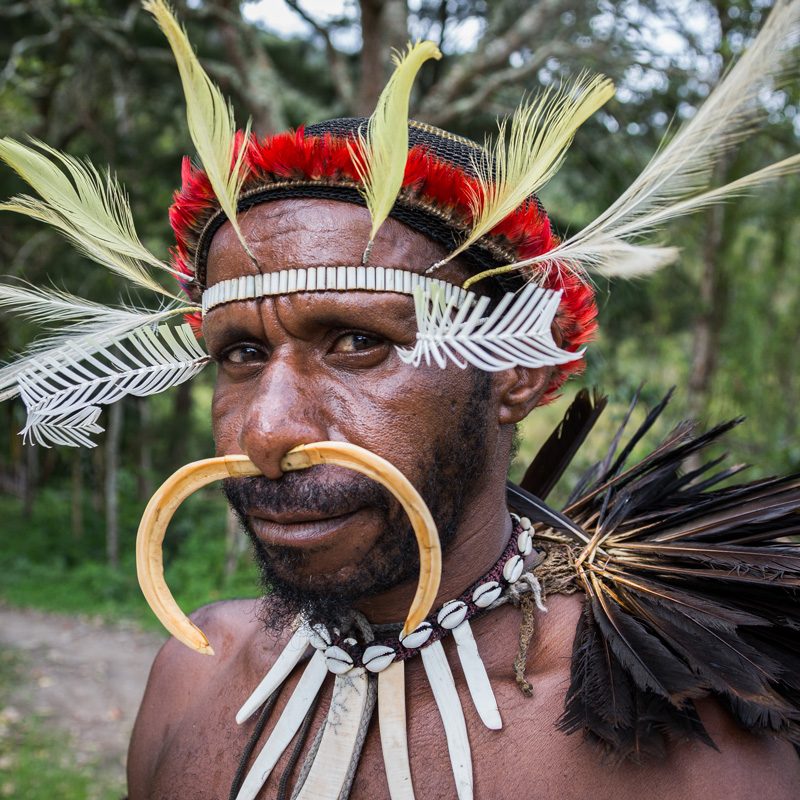
The central moment of this extension to Wamena will be the visit to the village of Obia, where we will meet a Dani community that still preserves much of its traditional way of life. The inhabitants continue to wear the koteka, or penis gourd, as well as skirts made from plant fibres, and live in circular traditional houses known as honai.
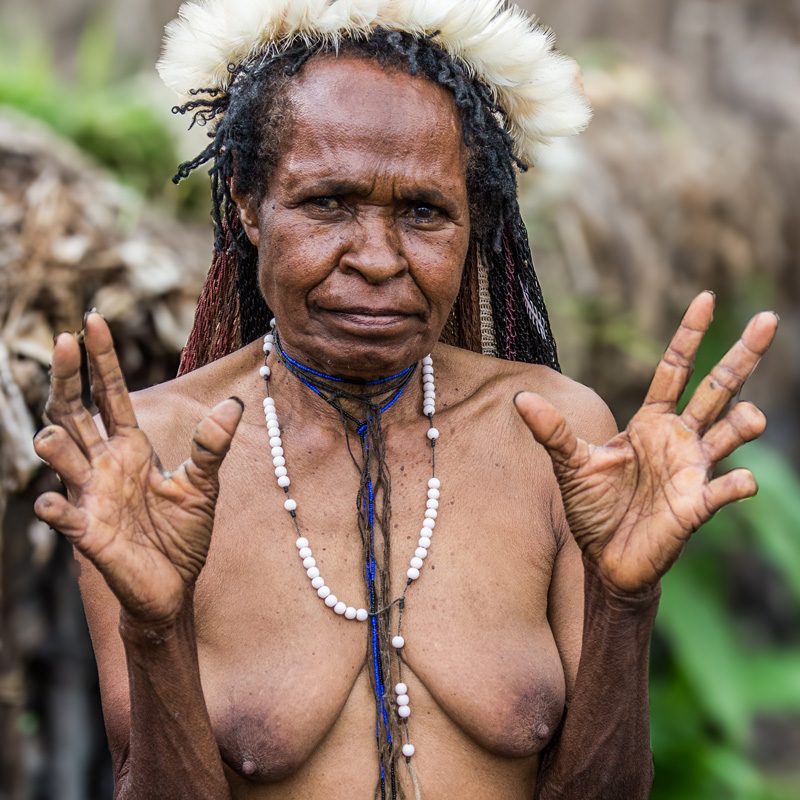
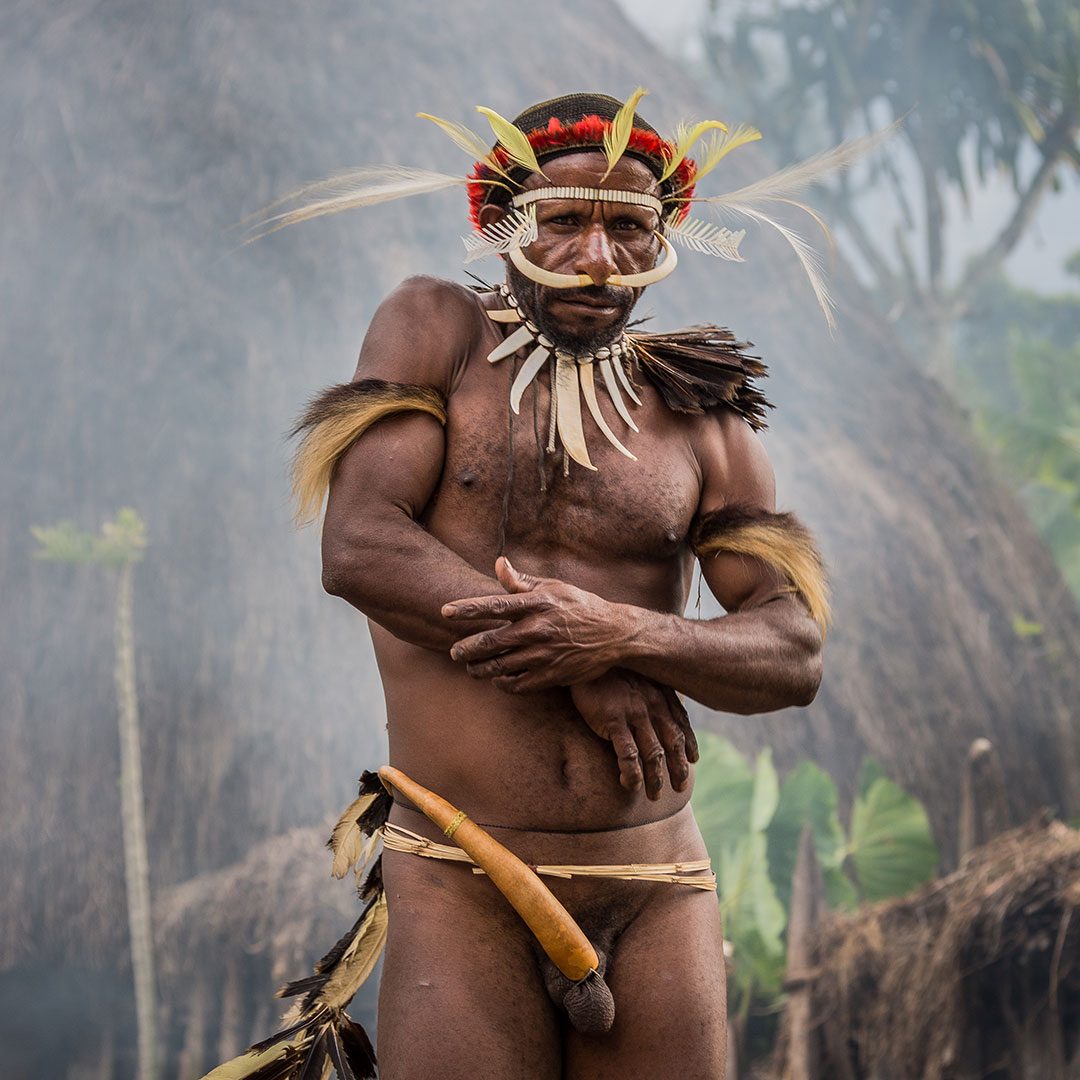
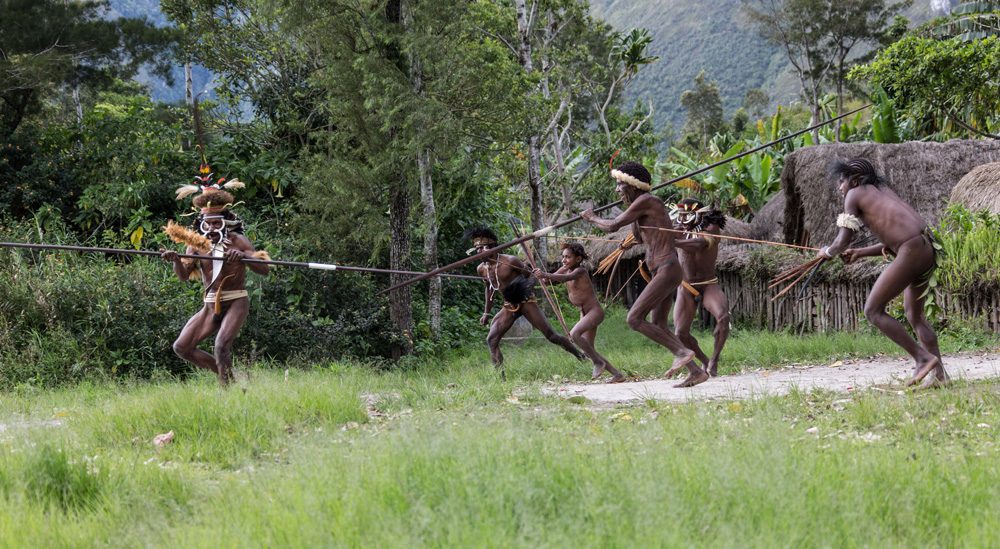
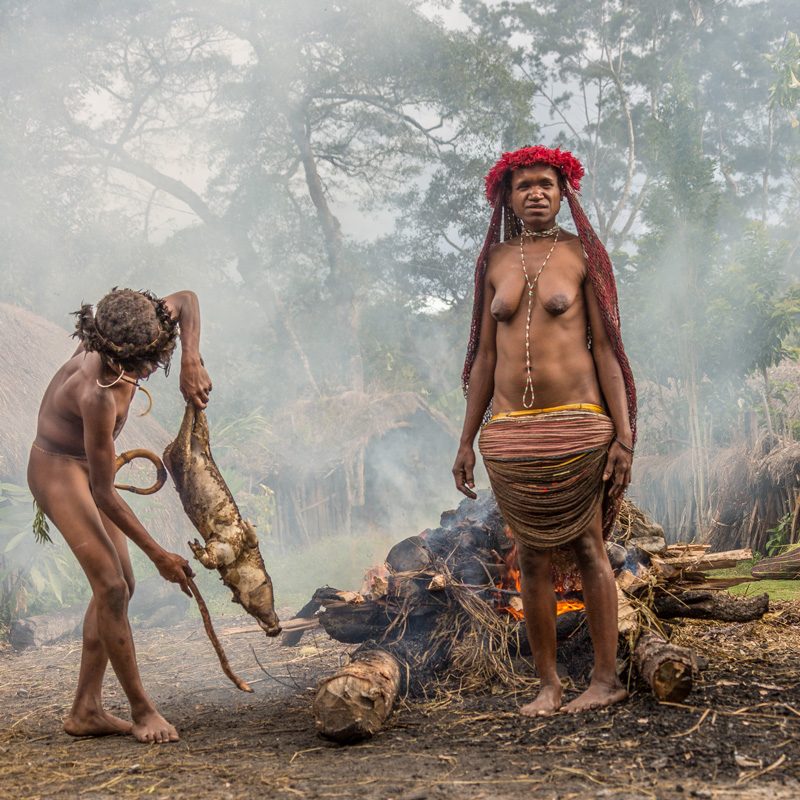
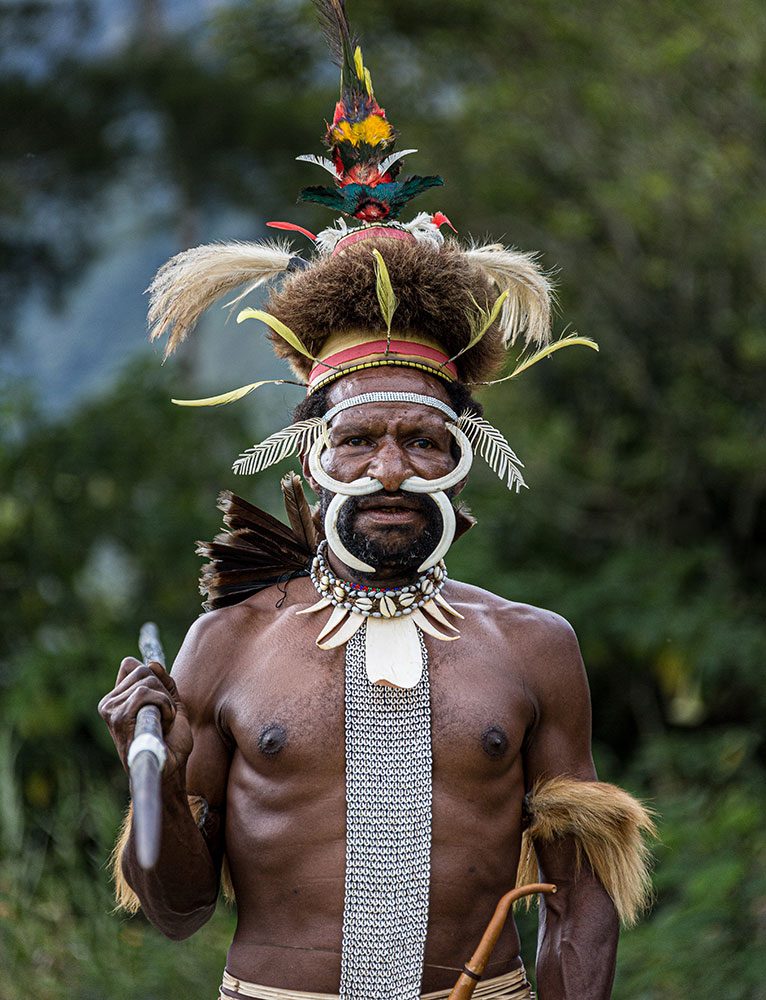
During our stay we will attend a celebration of the pig festival, accompanied by war dances that evoke ancient tribal rivalries. In the past, disputes over land, livestock or marriages could lead to clashes between clans. Reconciliation was sealed through the sacrifice of a pig, which was cooked collectively and shared among the parties involved.
The preparation of the animal is a ritual in itself. The Dani cook it together with sweet potatoes, aromatic herbs and vegetables in overheated stones, using a traditional cooking method that can last several hours. This communal moment reveals the importance of the pig as both a social and economic symbol in the cultures of the Highlands.
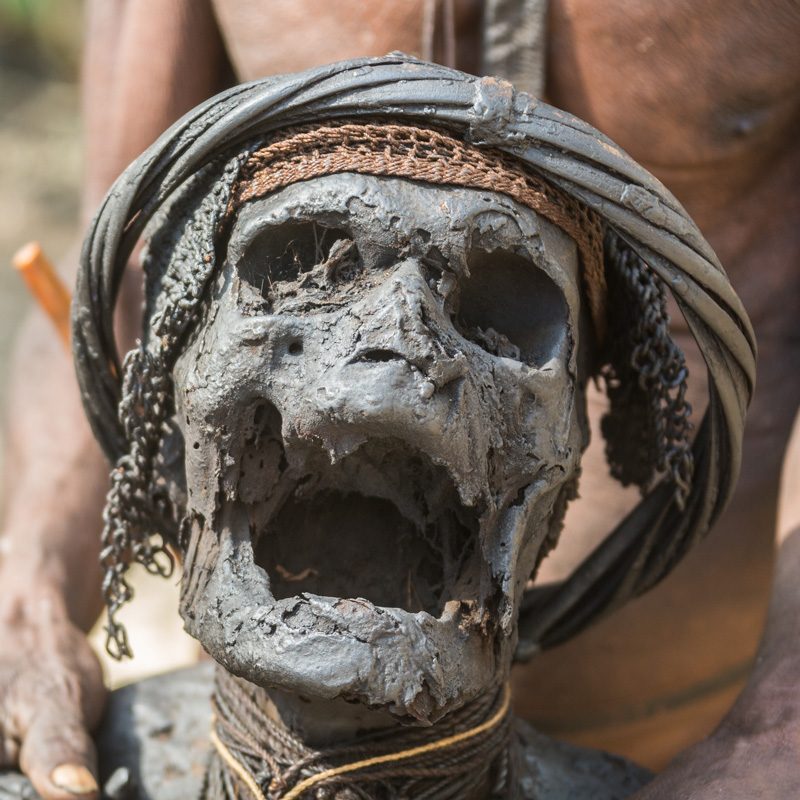
After lunch, the extension to Wamena will continue towards the villages of Anemoigi and Sumpaima, where we will see a mummy approximately 250 years old preserved inside a traditional house. Later we will visit a natural cave in the village of Wosilimo before spending the night in a camp within a family compound.
Trekking in the Baliem Valley: Suroba and Pabuma
The extension to Wamena will also take us on foot through some of the most characteristic landscapes of the Baliem Valley. After travelling by vehicle to the western part of the valley, we will begin a trek towards the Dani village of Suroba.
The route continues to Pabuma, an area inhabited by a mixed Dani and Yali population that migrated from the higher hills due to local conflicts. The walk passes through sweet potato fields and agricultural areas, allowing us to closely observe the daily work of farmers and their relationship with the land.
Upon arrival, we will explore the village and its surroundings, sharing a picnic lunch with the community. Afterwards, we will continue walking towards Wikia, crossing additional Dani settlements and rural landscapes typical of this mountainous region.
Encounter with the Lani community
In the final stage of the extension to Wamena, we will return to the main road and travel back towards the town. From there we will visit a village of the Lani people, another indigenous community of the Central Highlands.
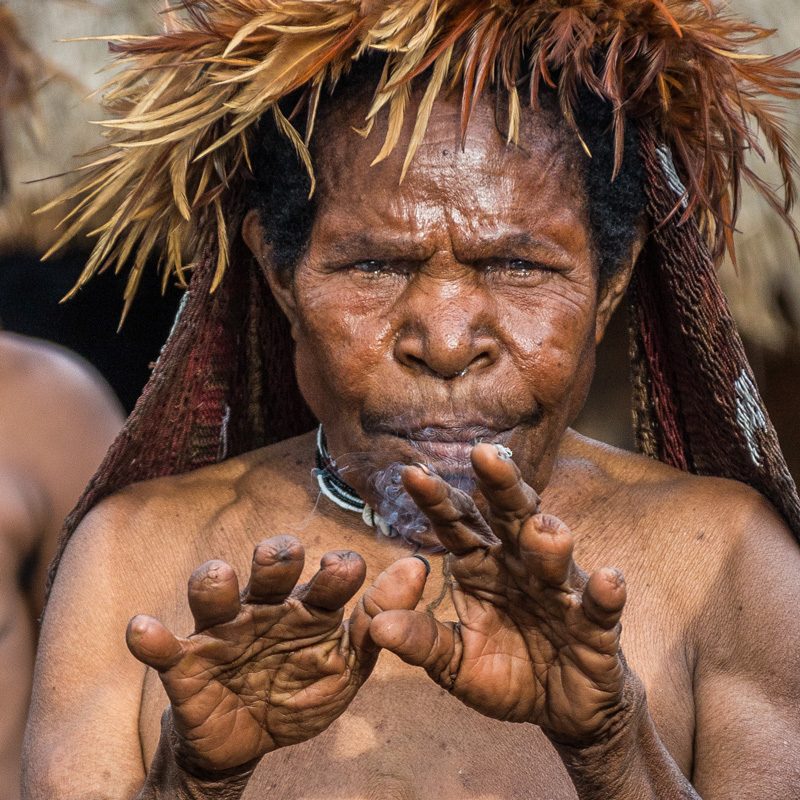
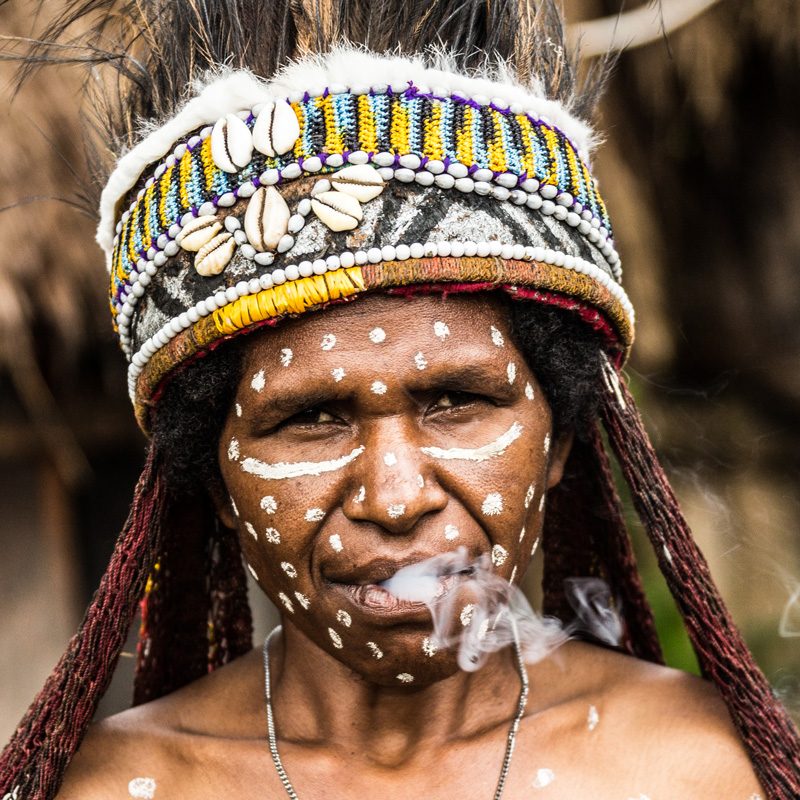
The Lani live in traditional villages, where subsistence agriculture forms the basis of daily life. They cultivate sweet potatoes, taro and maize, and complement their diet with hunting and fishing. Their houses are built from wood and palm leaves, and many families still maintain traditional forms of dress. Men wear koteka and women wear grass skirts, while songs, rituals and dances continue to mark important moments in community life.
This encounter is one of the most enriching moments of the extension to Wamena, as it allows travellers to understand the cultural diversity of the peoples living in the Baliem Valley.
© Photos by Aníbal Bueno taken during an extension to Wamena.
► Download the itinerary for this extension to Wamena
Click the button below to easily access the download form for the itinerary of this extension to Wamena.


 ES
ES

