
 Trip to Ethiopia from 15 to 23 January 2027 / From 2,990€
 Discover the highlights of this trip to the Timkat Festival
Addis Ababa: imperial history and Ethiopian urban life
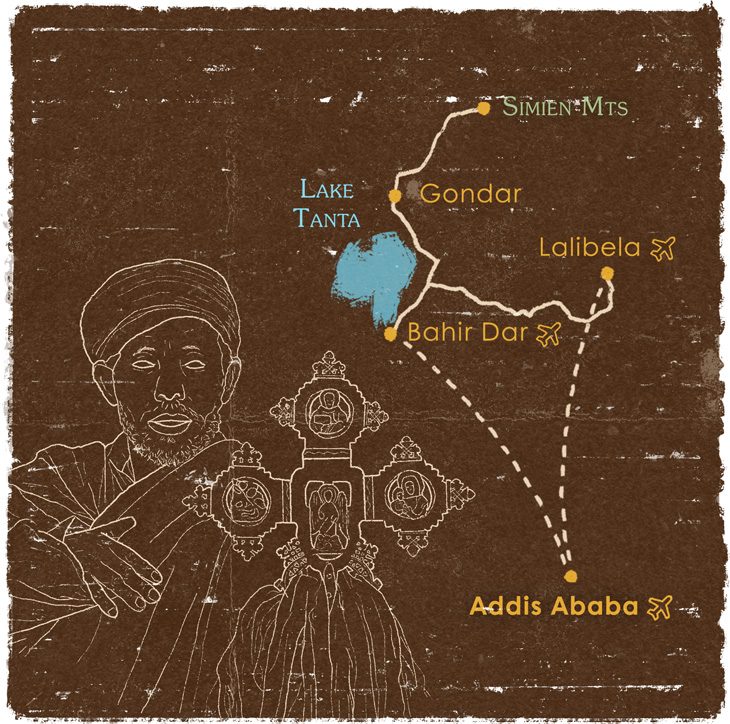
The trip to the Timkat Festival begins in Addis Ababa, the capital city, located at 2,400 metres above sea level. Founded in 1887 by Empress Taitu, the city has become the political and cultural centre of the country. Upon arrival, we will enjoy an initial introduction to the city. We will visit the National Museum, the Holy Trinity Cathedral and the Merkato. The latter is considered the largest open-air market in Africa. In this way, the trip to the Timkat Festival introduces travellers to contemporary Ethiopian life.
Lake Tana: monasteries and the source of the Blue Nile
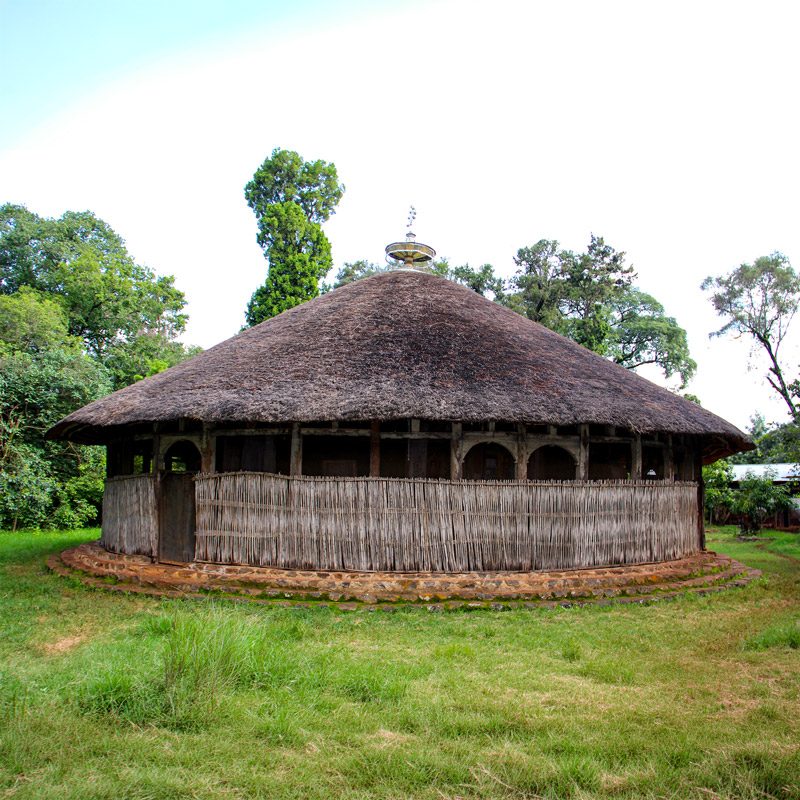
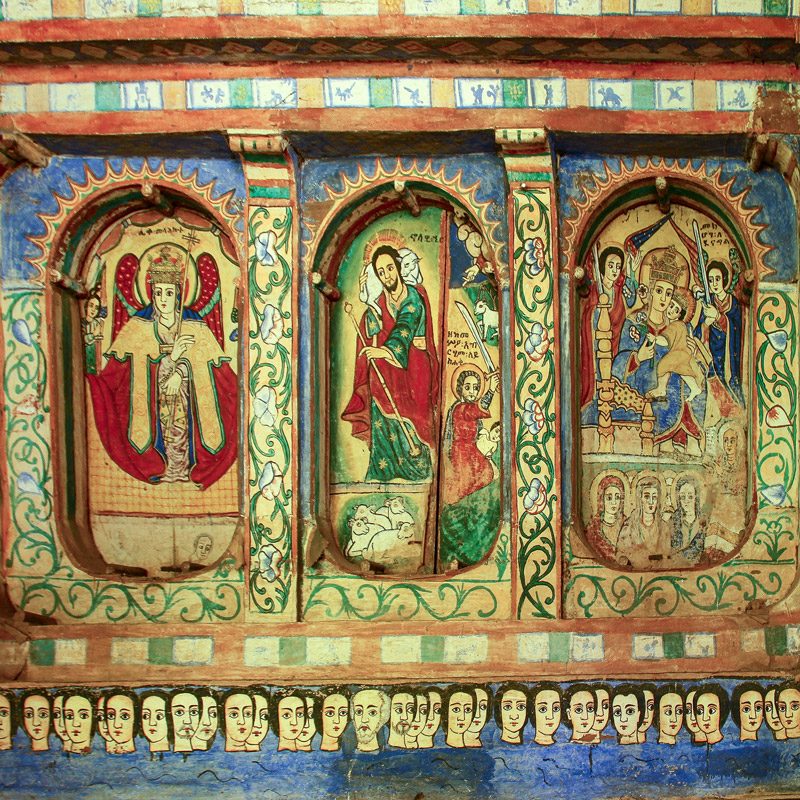
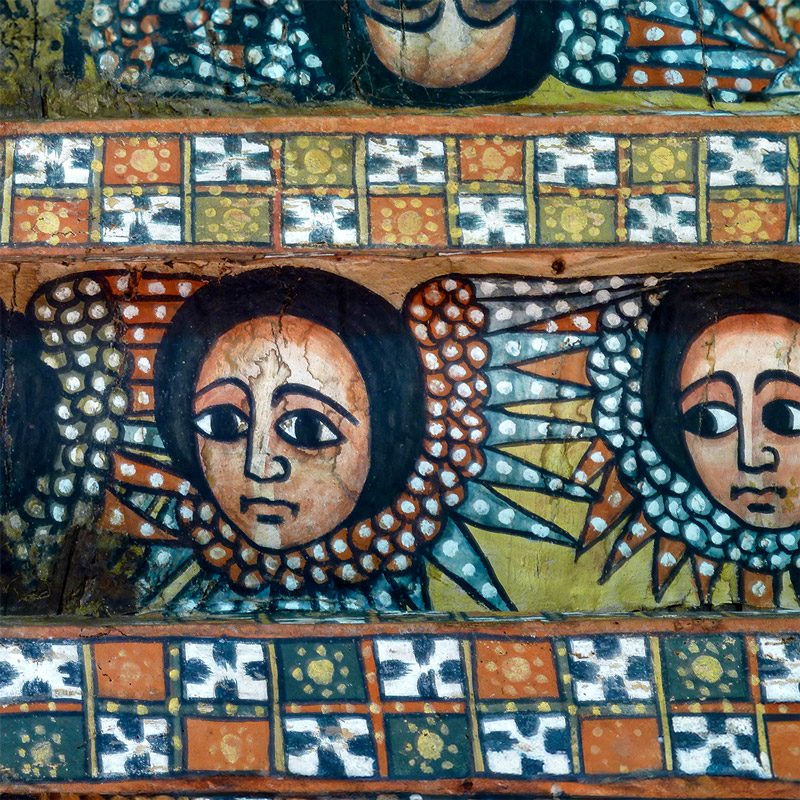
Subsequently, the trip to the Timkat Festival continues to Bahir Dar, on the shores of Lake Tana. This historic city is closely linked to ancient religious centres. During a boat excursion, we will explore the monasteries scattered across the lake. Many of them preserve centuries-old murals and religious artefacts. We will also visit the Zege Peninsula and the source of the Blue Nile. In addition, we will discover the Blue Nile Falls, locally known as Tis Abay. These impressive waterfalls are among the country’s most remarkable natural landscapes.
Gondar and the trip to the Timkat Festival: faith, processions and tradition
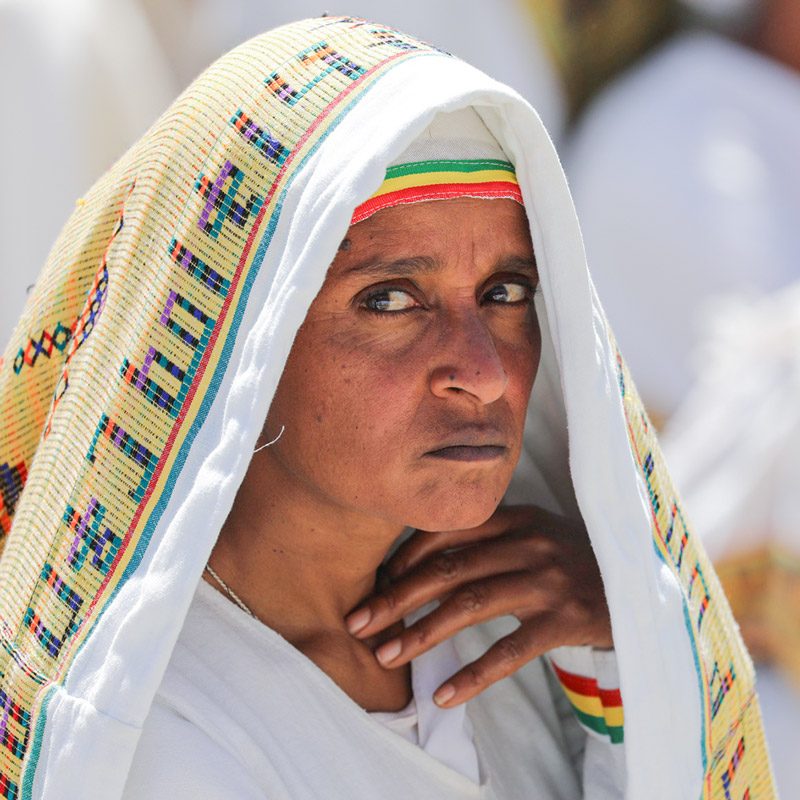
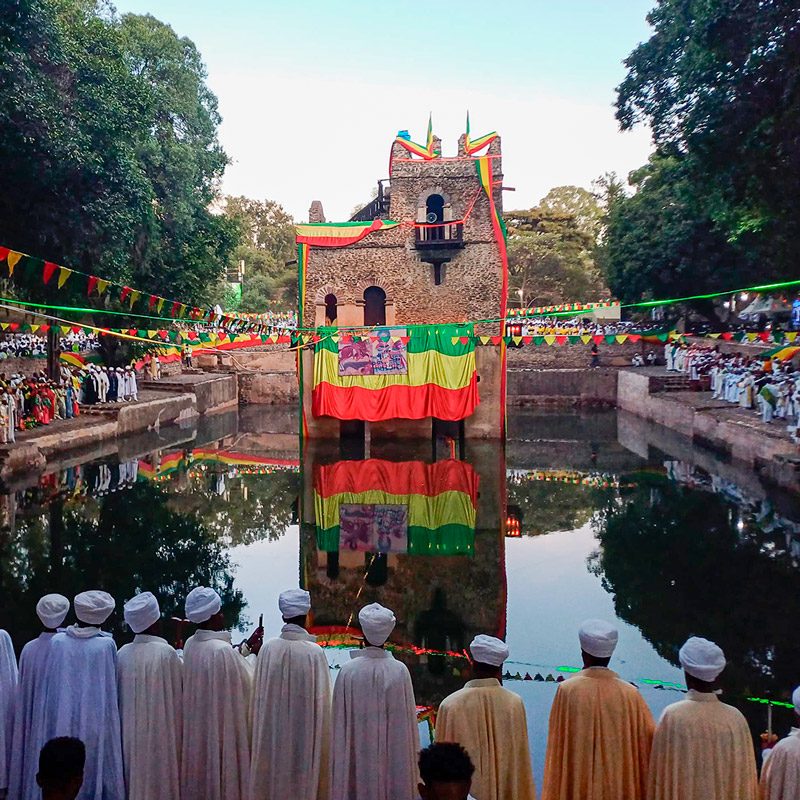
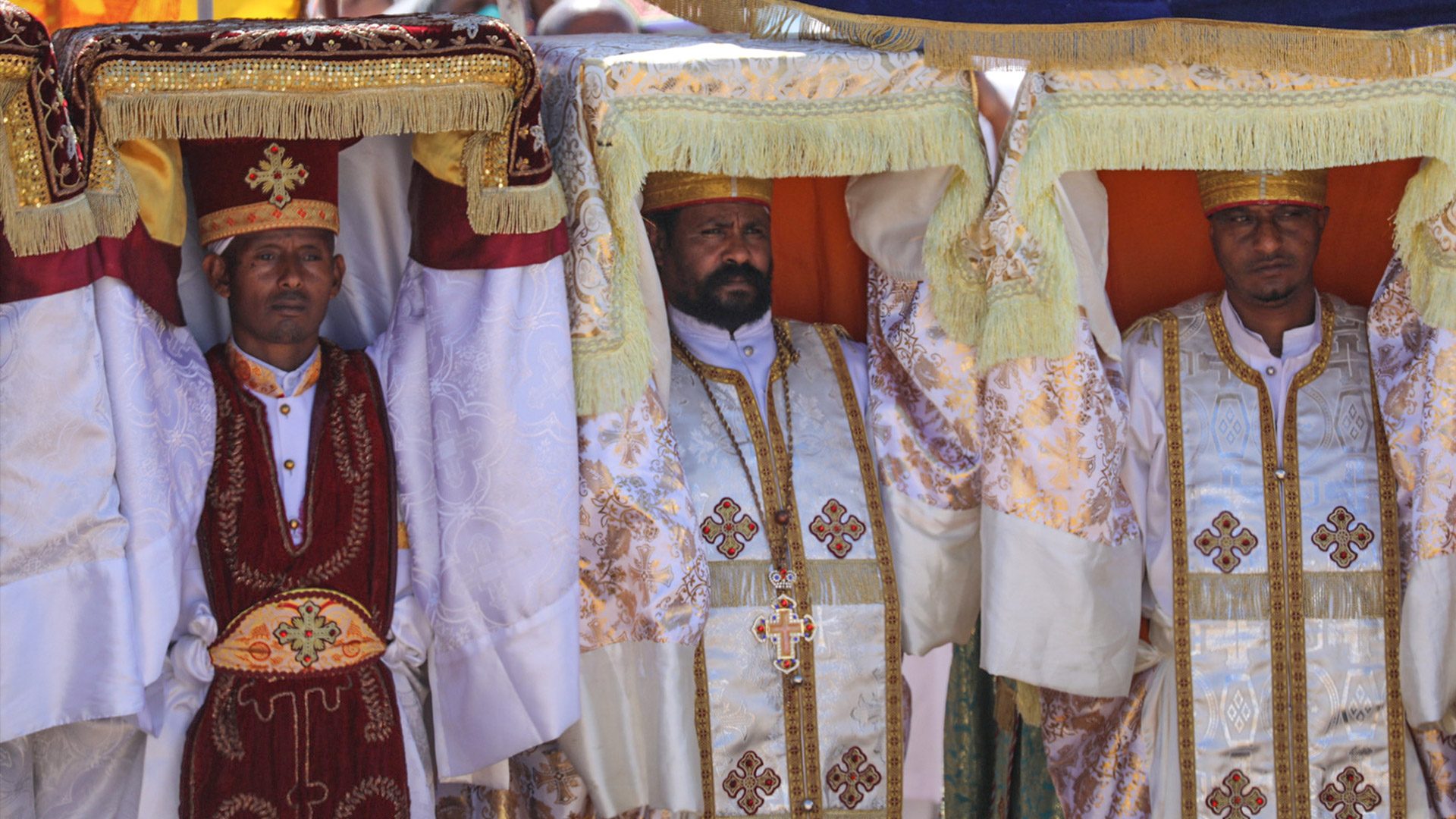
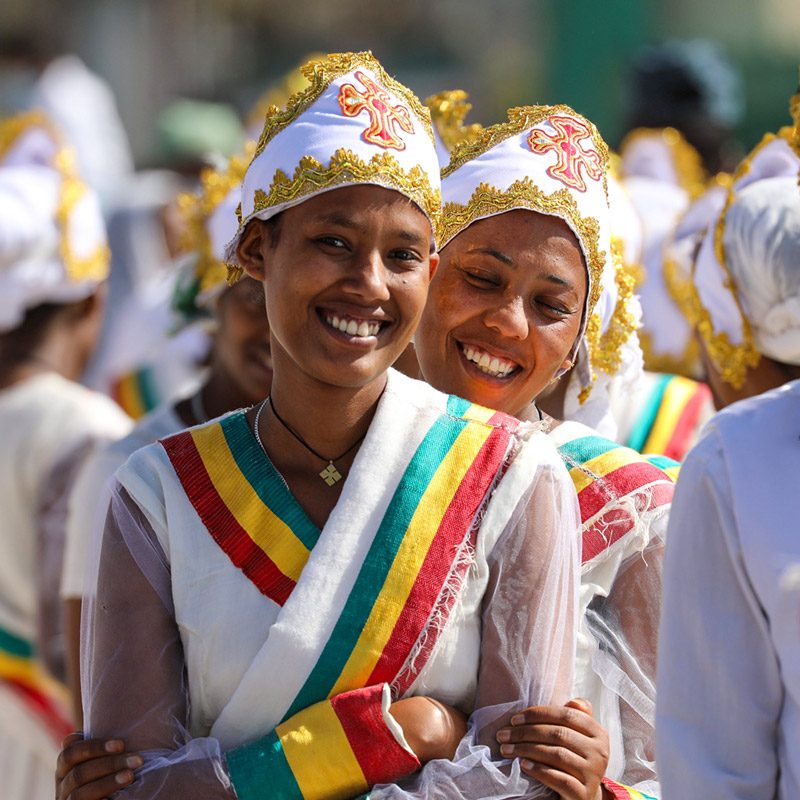
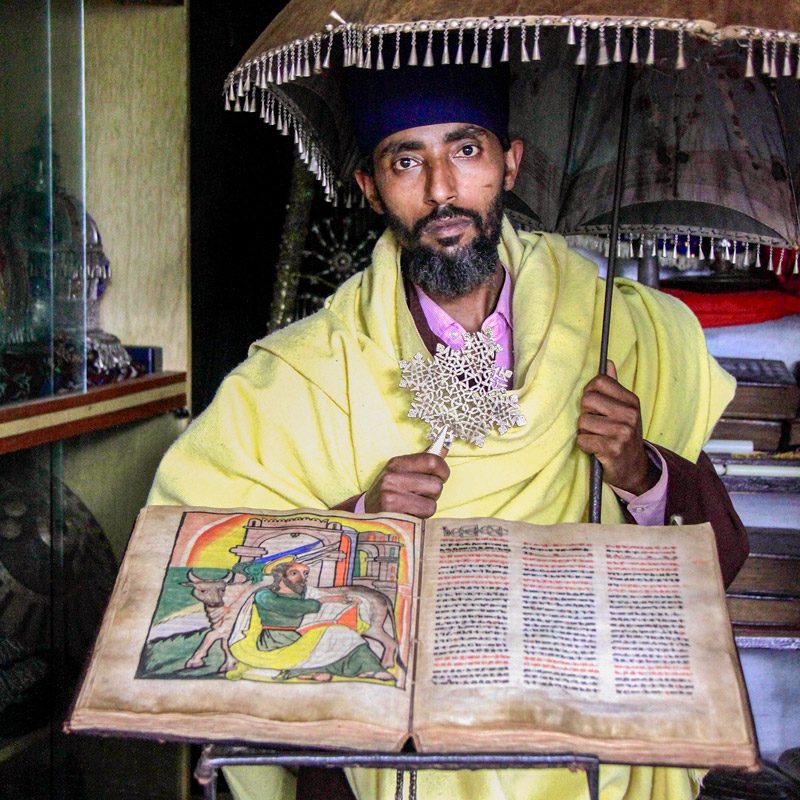
The core of the trip to the Timkat Festival takes place in Gondar. This city served as the capital of the Ethiopian Empire from the 17th century onwards. Timkat, the Ethiopian Orthodox celebration of Epiphany, gathers thousands of faithful. During the festival, priests carry the Tabots in solemn processions. These sacred objects symbolise the Ark of the Covenant. One of the key moments is the symbolic baptism ceremony. Furthermore, the celebration includes chants, rituals and expressions of collective faith. Without a doubt, the trip to the Timkat Festival offers a unique insight into Ethiopian spirituality.
Imperial castles and the historical legacy of Gondar
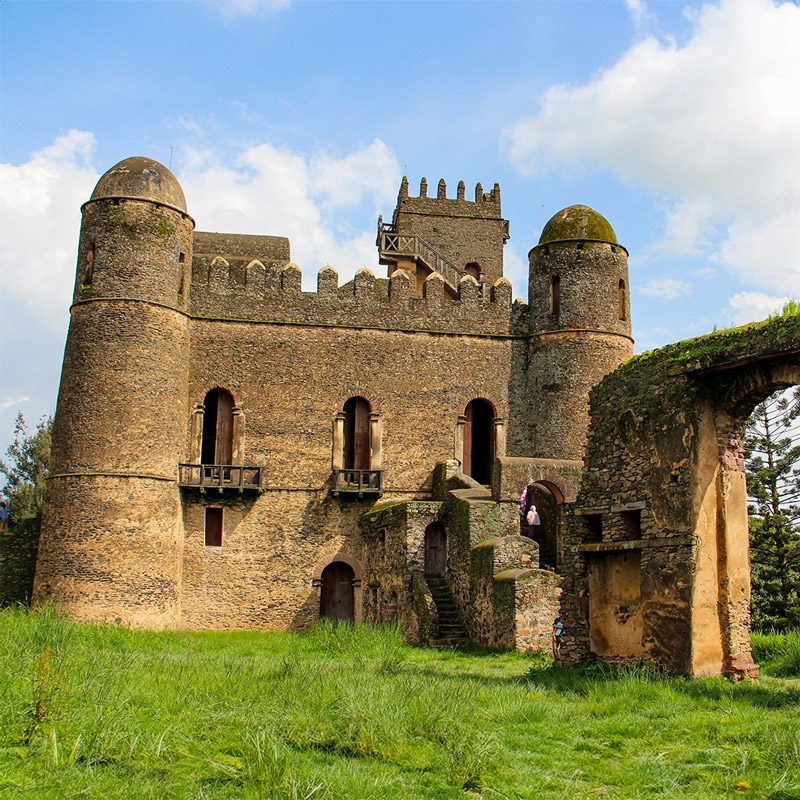
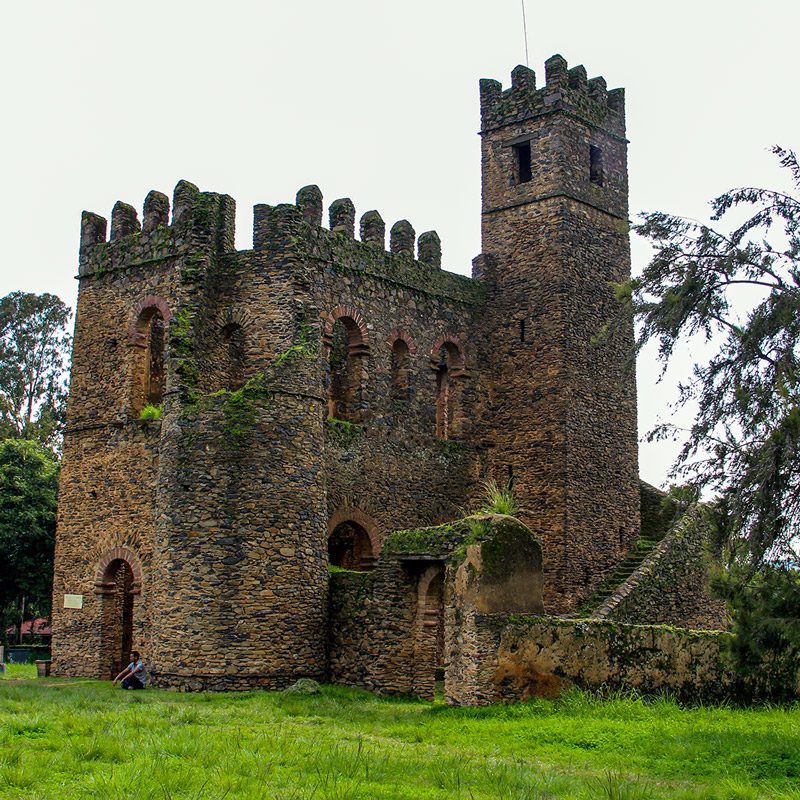
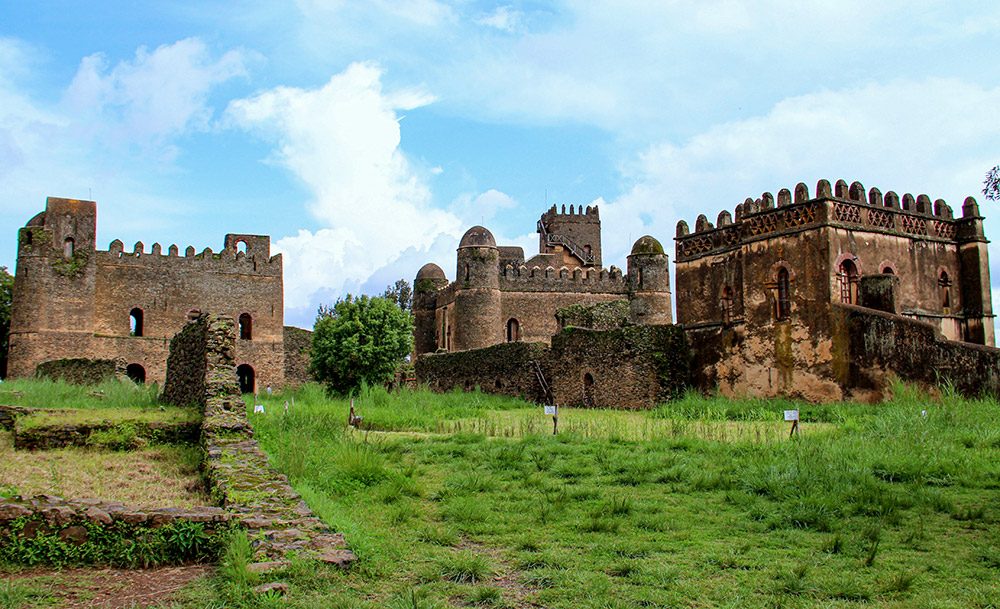
During our stay, we will explore the historical monuments of Gondar. The city is often referred to as the “Camelot of Africa”. We will visit Fasilides’ Castle and the palace of Iyasu the Great. These structures combine Portuguese influences with traditional Aksumite styles. Today, Gondar is a UNESCO World Heritage Site. Therefore, this stage of the trip to the Timkat Festival adds an essential historical dimension.
Simien Mountains: landscapes of the “Roof of Africa”
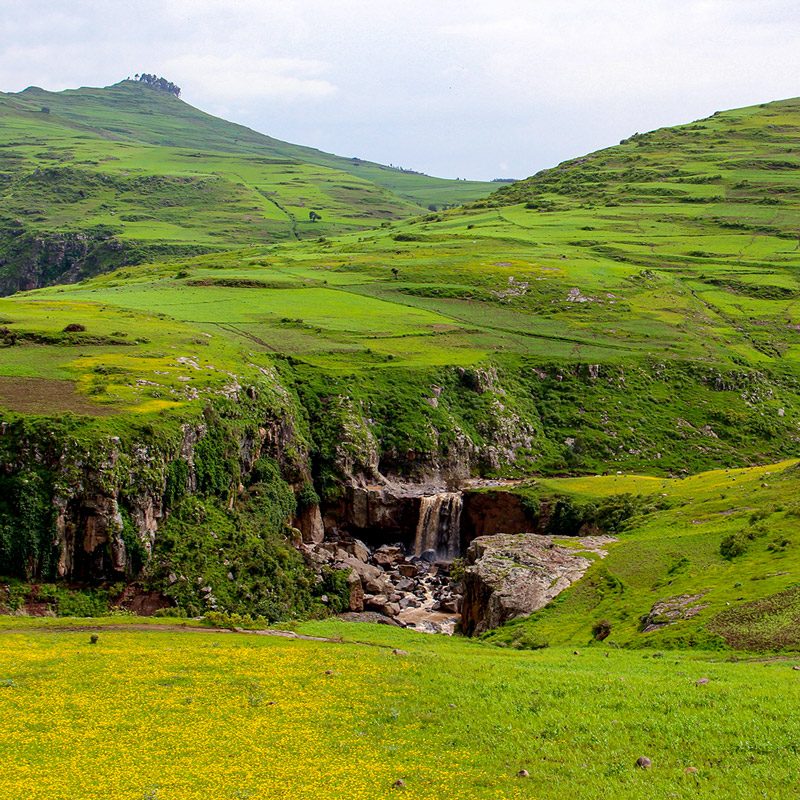
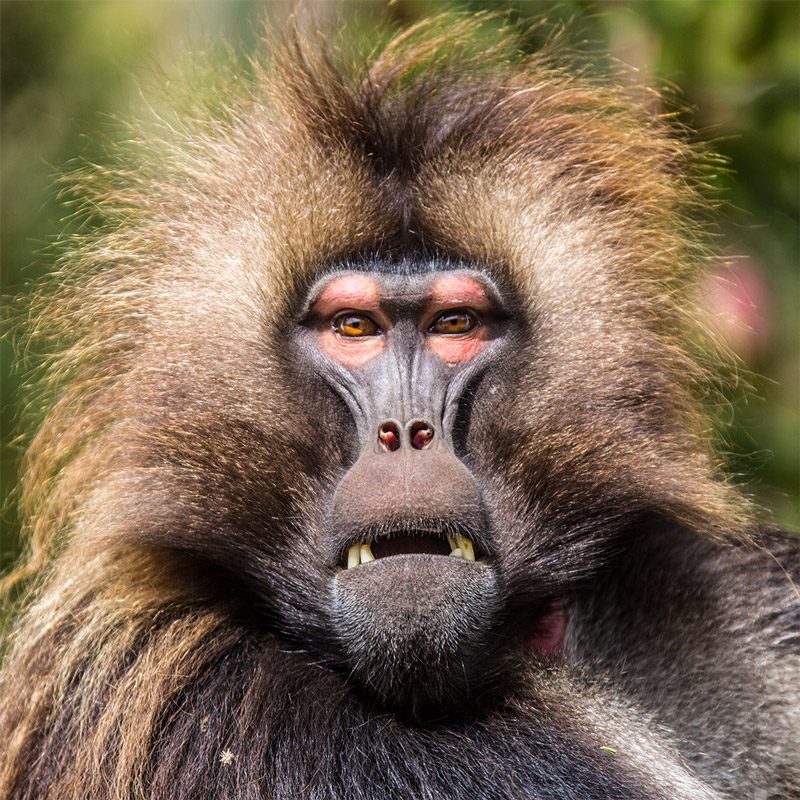
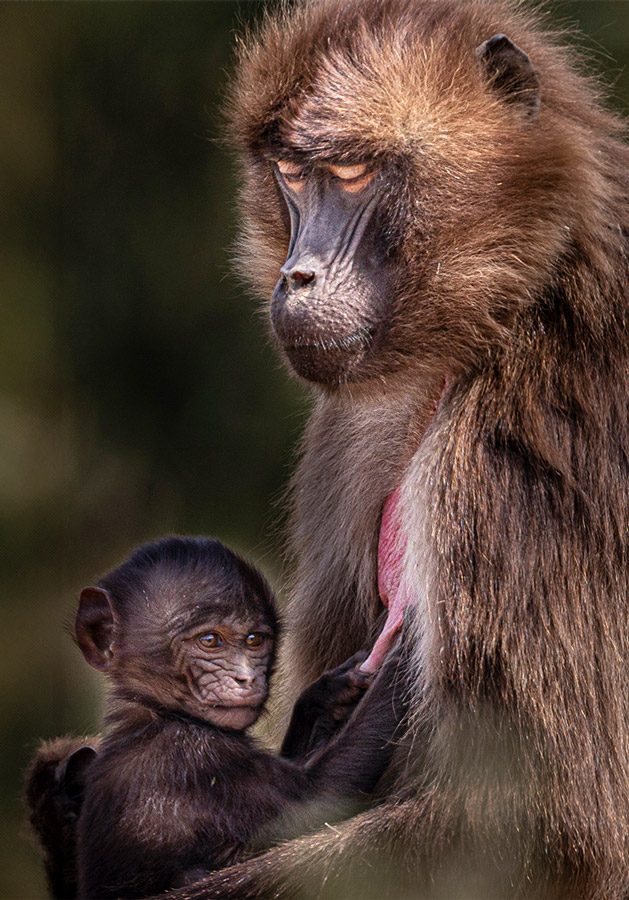
The trip to the Timkat Festival also includes an excursion to the Simien Mountains National Park. This natural area offers some of the most spectacular landscapes in Africa. During a hike, we will observe rugged peaks, deep valleys and dramatic cliffs. In addition, we may encounter gelada baboons, antelopes and various bird species. The region is home to mountains exceeding 4,000 metres, including Ras Dashen. Consequently, this stage combines nature, wildlife and local culture.
Lalibela: rock-hewn churches and living spirituality
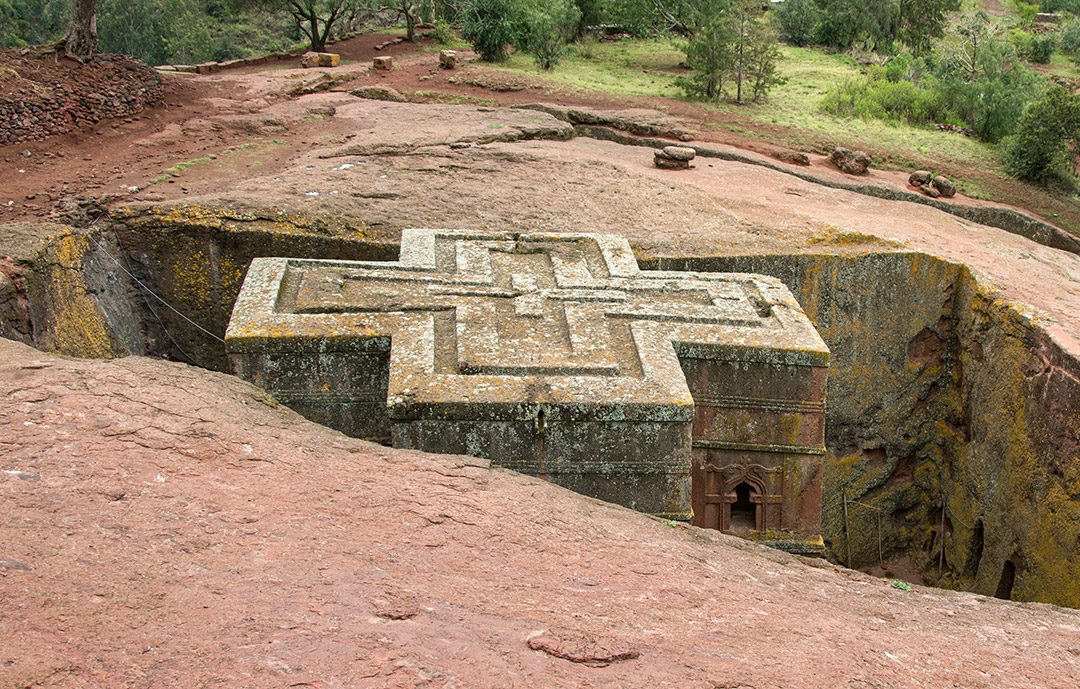
The next stage of the trip takes us to Lalibela. This site is one of the most important pilgrimage destinations in Africa. Here, we will visit eleven churches carved directly into volcanic rock. These structures were not built upwards but excavated downwards into the stone. Among them, Bet Medhane Alem stands out as the largest monolithic church in the world. We will also visit Bet Maryam and the iconic Bet Giyorgis. In addition, we will explore the southeastern group of churches. This complex reinforces Lalibela’s profound spiritual significance. Therefore, this trip to Ethiopia culminates in one of the greatest architectural achievements in the world.
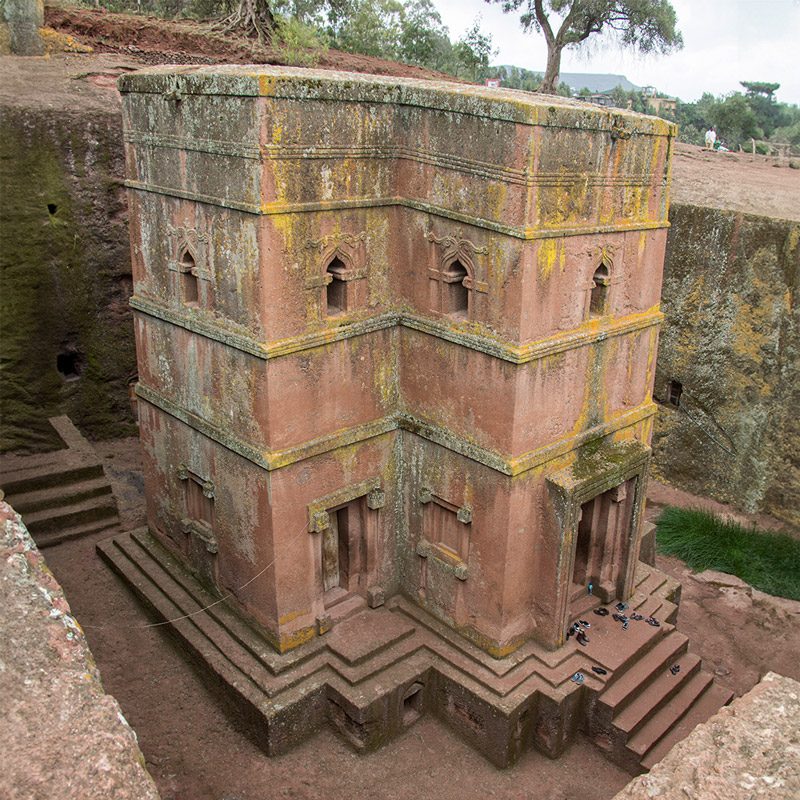
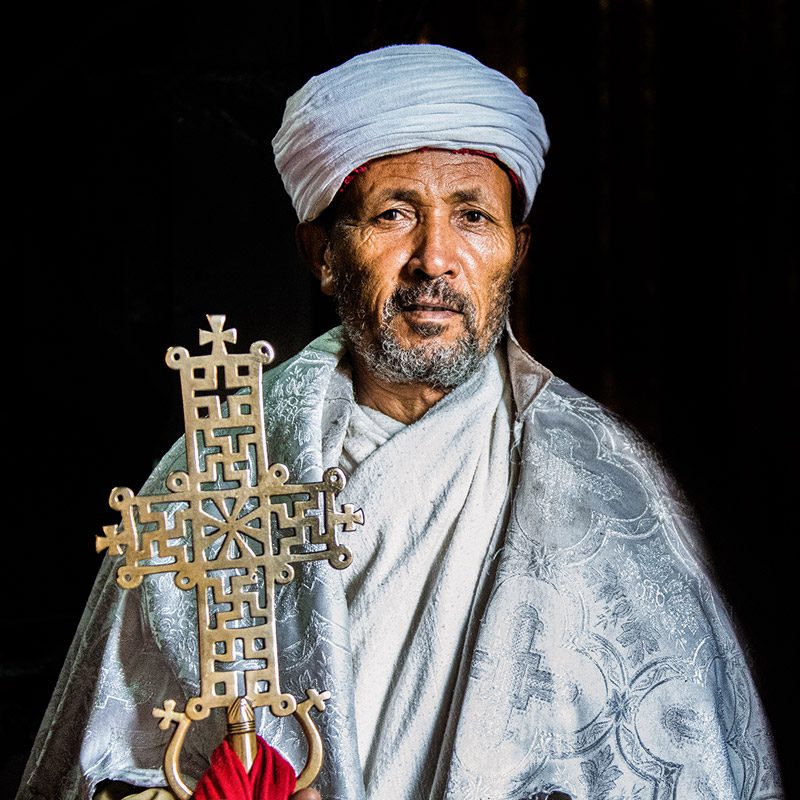
© Photos by Xavi de las Heras and Aníbal Bueno taken during a trip to Ethiopia.
► Download the detailed itinerary for this trip to the Timkat Festival
Click on the button below to easily reach the itinerary download form for this trip to Ethiopia.

 ES
ES

